Kichijoji Day Trip: Perfect Tokyo Itinerary Planning
Kichijoji punches well above its weight for a Tokyo neighborhood. It has Inokashira Park, one of the best vintage shopping scenes in the city, a dense cluster of jazz bars, and enough good food to fill three days, yet it sits just 15 minutes from Shinjuku on the Chuo Line. Most visitors walk through it in two hours and leave feeling like they missed something. They did. This itinerary fixes that.
Why Kichijoji Deserves a Full Day
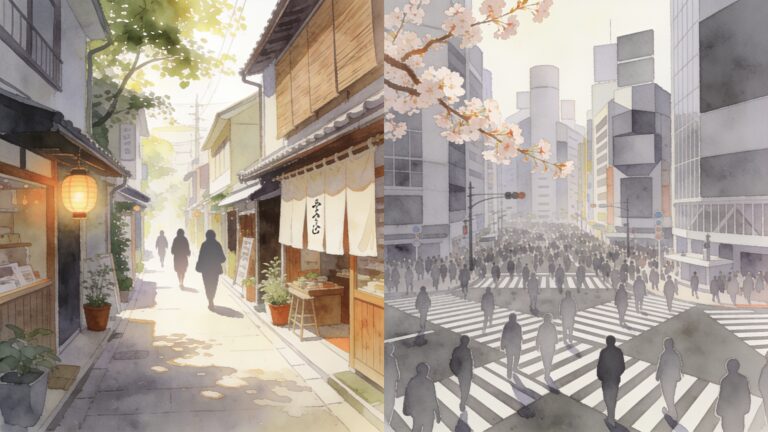
A lot of Tokyo neighborhoods are one-note. Akihabara is electronics. Yanaka is old temples. Kichijoji mixes bohemian cafe culture with serious shopping, a genuine park, and a bar scene that starts at noon. It rewards slow walkers who stop and look rather than people racing between landmarks.
The neighborhood also has a manageable scale. You can walk everywhere once you arrive, which matters when you factor in Tokyo’s transit costs. Get here, put your IC card away, and explore on foot.
Getting There
Take the JR Chuo Line rapid from Shinjuku (15 minutes) or the Keio Inokashira Line from Shibuya (about 17 minutes). Both lines drop you at Kichijoji Station, which has a north exit and a south exit. Know which one to use before you walk out.
| Departure Point | Line | Travel Time | Approximate Fare |
|---|---|---|---|
| Shinjuku | JR Chuo Rapid | 15 min | 220 yen |
| Shibuya | Keio Inokashira | 17 min | 130 yen |
| Tokyo Station | JR Chuo Rapid | 30 min | 420 yen |
| Akihabara | JR Chuo/Sobu | 25 min | 220 yen |
Fares are approximate and depend on your IC card balance and any discount passes you hold. The Keio Inokashira option from Shibuya is the cheaper route and lands you steps from Inokashira Park.
Morning: Inokashira Park and the Ghibli Museum
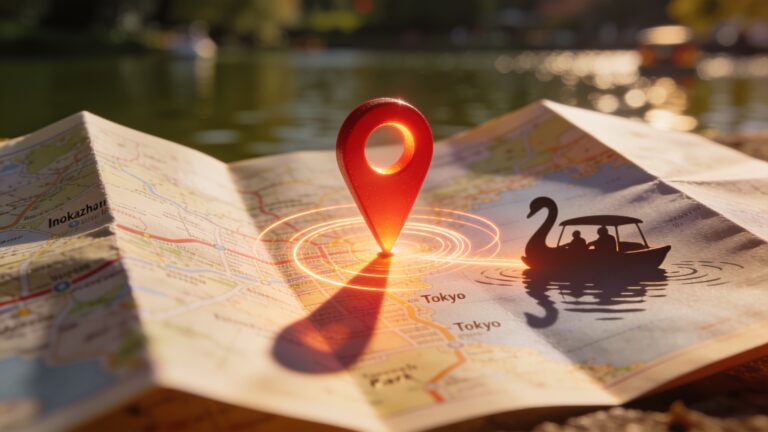
Use the south exit if you came via Keio, or follow the signs from the JR south exit. Either way, head straight to Inokashira Park first. The park takes about 30 to 45 minutes to walk comfortably, and morning light on the central pond is the payoff. Rent a rowboat or a swan pedal boat at the boathouse for around 700 yen per 30 minutes. It sounds touristy and it is, but the view back toward the tree line is worth it.
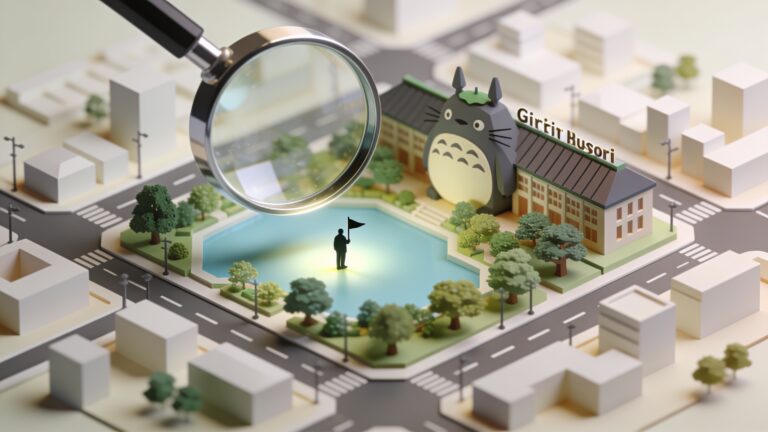
The Ghibli Museum sits at the western edge of Inokashira Park. This is the single reservation you must make before your trip. Tickets sell out weeks in advance through Lawson convenience store terminals (inside Japan) or the official overseas lottery. Walk-up entry is impossible. Slots open on the 10th of each month for the following month. If you miss the window, build the rest of the itinerary without it. The museum earns about two hours of your time once inside.
Late Morning: The Harmonica Yokocho and Coffee
Walk back through the park and head to the north side of Kichijoji Station. Harmonica Yokocho is a tight network of alleys packed with tiny bars and restaurants, each one holding maybe eight people. At 10 or 11am, a handful of spots open for coffee and morning food. The atmosphere is all worn wood, hand-written menus, and owners who have run the same counter for 30 years. This is where Kichijoji’s character lives.
Pick one place and sit. Order coffee and whatever the kitchen has. The point is to slow down before the shopping crowds arrive.
Afternoon: Shopping in Four Zones
Kichijoji’s shopping scene organizes into four clear areas. Each one has a different personality.
- Sun Road and Daiya Gai: covered arcades running north from the station, filled with affordable fashion, 100-yen shops, and fast food. Good for cheap souvenirs and people-watching.
- Nakamichi Street: parallel to Sun Road but calmer, with independent bookstores, stationery shops, and mid-range clothing labels.
- Koenji-style vintage clusters: several blocks east of the station hold secondhand clothing shops, vinyl record stores, and furniture dealers selling retro Japanese pieces. Budget at least an hour here.
- Bashamichi and the back streets south of the park: the territory for handmade jewelry, ceramics, and small-batch goods from local designers.
Lunch fits naturally into this stretch. Kichijoji has a well-known satay restaurant called Satay Bar around the Nakamichi area, solid ramen on Sun Road, and multiple kissaten (old-school coffee shops) that serve sandwiches and curry. Yoshinoya exists here too if you want fast and cheap. I always end up at one of the kissaten, because the katsu sandwich sets cost around 800 to 1,000 yen and come with good coffee.
Early Evening: Drinks and Dinner
Kichijoji’s bar scene starts early and runs late. The jazz bars around Harmonica Yokocho open by 6pm and draw a mix of regulars and curious visitors. Bar Shuffle on the Yokocho strip has around 3,000 records and plays requests. Most jazz bars charge a table fee of 500 to 800 yen on top of your drinks, which is standard across Tokyo.
For dinner, the options are broad. Yakitori spots around the north exit area do well on a weeknight. The izakaya on the east end of Harmonica Yokocho suit groups of two to four people. If you want something more structured, Kichijoji has several long-running kushikatsu restaurants where the fried skewers come out one by one and you order by feel.
Plan to leave by 9 or 10pm if you have a long return trip. The Chuo Line rapid runs regularly, and the ride back to Shinjuku at night takes the same 15 minutes.
Key Takeaways
A well-planned Kichijoji day runs from around 9am to 9pm and covers the park, at least one cultural stop, a focused shopping loop, and an evening in Harmonica Yokocho. Book Ghibli Museum tickets a month ahead if that is a priority. Use the Keio Line from Shibuya to save money. Pack light so you have room for things you buy.
Kichijoji rewards people who stay curious and move at a human pace. Give it a full day and it gives back more than almost any other neighborhood in Tokyo.