Kichijoji Izakaya Guide: Nightlife in Retro Alleys
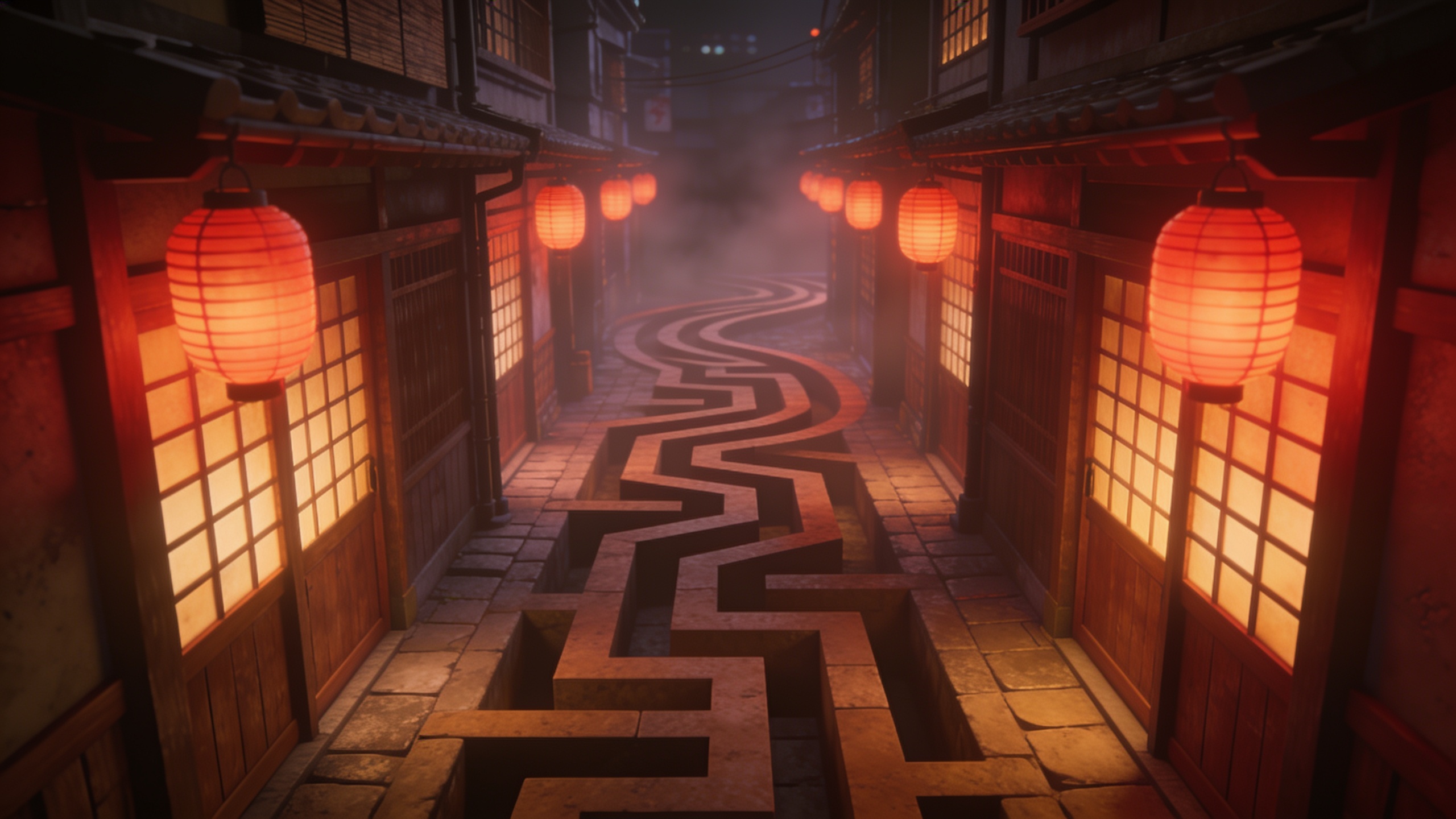
Kichijoji wins “most livable neighborhood in Tokyo” polls year after year, and the reason becomes obvious the moment the sun goes down. Step off the platform, walk past the department stores, and duck into Harmonica Yokocho or one of the side streets near the south exit. The polished daytime version of the neighborhood peels away, replaced by narrow lanes strung with paper lanterns, smoke curling out of yakitori grills, and a hundred tiny bars packed shoulder to shoulder.
This is where Kichijoji shows its real personality. I’ve spent more nights than I can count working through these alleys, and I still find new spots. This guide covers where to go, what to order, and how to handle yourself in izakaya that seat six people and have zero patience for tourist confusion.
Why Kichijoji’s Izakaya Scene Feels Different
Most Tokyo nightlife districts fall into two camps. You get the glossy, expensive corporate zones like Roppongi, or the sprawling chaos of Shinjuku. Kichijoji sits in a sweet spot between the two. The bars are cheap, the food is excellent, and the scale stays human. Nothing here feels built for tour groups.
The neighborhood grew up around a black market after World War II, and that history still shapes the geography. Harmonica Yokocho in particular is a maze of alleys barely wide enough for two people to pass, lined with stalls that have operated for decades. Locals treat these spots like extensions of their living rooms. Regulars have their seats. Staff know their orders before they sit down.
The Retro Alley Layout
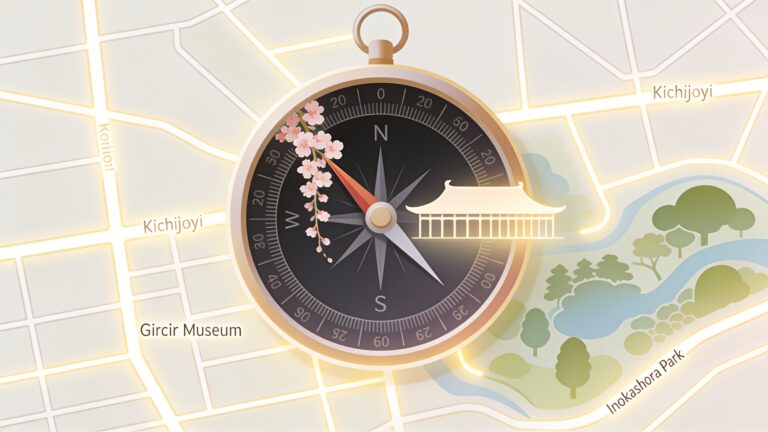
Understanding the physical layout saves you a lot of wandering. Harmonica Yokocho sits just north of the station, between the Sun Road shopping arcade and Inokashira-dori. It’s a warren of over 100 small shops, many with fewer than 10 seats, packed into a footprint smaller than a city block.
South of the station, near the exit toward Inokashira Park, you’ll find a looser cluster of standing bars and small izakaya spread along quieter streets. This area has more room to breathe and fewer crowds, which makes it a better option if Harmonica Yokocho feels overwhelming on a Friday night.
Where to Drink and Eat
Here’s a breakdown of the main areas and what makes each one worth your time.
| Area | Vibe | Best For |
|---|---|---|
| Harmonica Yokocho | Cramped, loud, nostalgic | First-timers, yakitori, standing bars |
| South Exit backstreets | Relaxed, local | Longer conversations, quieter drinks |
| Nakamichi-dori | Mixed bars and restaurants | Groups, variety of cuisines |
| Near Inokashira Park | Mellow, date-friendly | Wine bars, after-dinner walks |
I’d tell any first-timer to start in Harmonica Yokocho, get a feel for the density and energy, then peel off toward the south exit once the crowds get thick. That combination gives you both sides of Kichijoji nightlife in one evening.
Harmonica Yokocho Highlights
A few spots consistently deliver, even when I bring people who’ve never set foot in an alley bar before.
- Small yakitori counters: Look for places with a charcoal grill right at the entrance. The smoke and sizzle tell you everything about freshness before you even sit down.
- Standing bars (tachinomi): These are the fastest way to meet people and try several places in one night without committing to a full seated meal anywhere.
- Whiskey and highball specialists: A handful of tiny bars focus almost entirely on Japanese whiskey, with knowledgeable owners happy to talk you through options if you show interest.
- Oyster and seafood stalls: Seasonal, often chalkboard-menu only, and worth grabbing a stool at if you see a line of locals rather than tourists.
None of these places take reservations, and most don’t take credit cards. Bring cash, and expect to squeeze in next to strangers. That’s the whole point.
What to Order
Izakaya menus can be intimidating if you’re reading them cold, especially in a six-seat bar with a handwritten menu taped to the wall. A few dishes show up everywhere and are worth knowing by name.
Yakitori is the anchor of most menus, and ordering by the skewer lets you sample widely without overcommitting. Negima (chicken and scallion) and tsukune (chicken meatballs) are safe starting points, while kawa (crispy chicken skin) rewards more adventurous eaters. Karaage, Japan’s version of fried chicken, pairs well with a cold beer and shows up on nearly every menu in the neighborhood.
For something heartier, look for motsuni, a slow-simmered offal stew that older regulars order without fail. It’s rich, a little funky, and pairs beautifully with shochu. If raw fish is more your speed, smaller sashimi plates rotate seasonally and are usually chalked up somewhere near the register.
Drinks follow a predictable pattern across most spots. Draft beer (nama biru) is the default opener, highballs dominate the middle of the night, and shochu or sake closes things out for people settling in for the long haul. Ordering a “toriaezu nama” (a draft beer, for now) is the standard opening line, and staff will expect it.
Etiquette That Actually Matters
A few habits separate a smooth night from an awkward one, especially in the tighter spaces of Harmonica Yokocho.
Seats are tight, so keep bags and jackets under your stool or on the small hooks provided rather than on an empty seat. Many bars charge an otoshi, a small seating fee that comes with a tiny appetizer you didn’t order. This isn’t a scam, it’s standard practice across nearly all izakaya in Japan, so budget an extra 300 to 500 yen per person.
Splitting bills item by item is uncommon and slows things down considerably. It’s far easier to total the bill and divide it evenly, or have one person cover it and settle up later. Staying past closing time is a minor social sin in these small spaces, since the next customer is often waiting outside the door.
Timing Your Night Right
The alleys hit their peak between 8 and 10 PM on weeknights, and considerably earlier on Fridays when the after-work crowd arrives by 6. Arriving right at opening, usually between 5 and 6 PM, gets you a seat without a wait and a chance to talk with the owner before things get loud. Many of the smallest bars close by midnight or 1 AM, so this isn’t the neighborhood for an all-night bender. It’s built for a focused few hours of good food, good drinks, and good conversation.
Key Takeaways
Kichijoji’s izakaya alleys reward curiosity over planning. Harmonica Yokocho gives you density and history, the south exit backstreets give you room to relax, and the food across both areas ranges from simple grilled skewers to rich, slow-cooked stews that regulars have been ordering for years.
Bring cash, come early if you want a seat without a wait, and don’t overthink the menu. Point, ask, and let the smoke and the sizzle guide you. Pick one alley, start with a beer and a few skewers, and see where the night takes you. That’s how every good Kichijoji evening starts.