Inokashira Park Guide: Kichijoji’s Green Oasis Escape
I’ve spent more Sunday afternoons in Inokashira Park than I can count, and it still surprises me. One visit I’m watching families paddle rowboats across the pond, the next I’m dodging street musicians near the fountain, and the next I’m the only person on a quiet gravel path under a canopy of zelkova trees. This park does a lot with 42 acres, and if you’re spending time in Kichijoji, it deserves more than a passing stroll.
This guide covers what actually makes the park worth visiting, how to time your trip, and the details most first-timers miss. I’ll skip the generic “it’s a nice park” filler and get into what you need to know before you go.
A Quick History Worth Knowing
Inokashira Park opened in 1917 as one of Japan’s first suburban parks designed for public recreation, not imperial or religious use. The pond at its center, Inokashira-ike, has a much older story. Legend says the shogun Tokugawa Ieyasu used its spring water for tea ceremonies, and the name itself translates roughly to “head of the well,” a nod to the natural springs that once fed the Kanda River from this very spot.
That history matters because it explains the park’s layout. The pond sits at the heart of everything, with paths radiating outward through dense forest, a zoo, and a scattering of shrines. It feels less like a manicured garden and more like a forest that happened to get some benches and a rowboat rental stand.
Getting There and Getting Oriented
The park sits a five-minute walk south of Kichijoji Station, and you can also enter from Inokashira-koen Station on the Keio Inokashira Line, which drops you almost directly at the pond’s edge. I usually recommend the Kichijoji Station approach for first-timers because you pass through the Sun Road shopping arcade first, giving you a nice contrast between city bustle and sudden green quiet.
Once inside, the park splits into a few distinct zones:
- The pond area: rowboats, swan boats, benches, and the best people-watching in the park
- Inokashira Park Zoo: split into two sections, with small animals and a squirrel enclosure on one side
- The forest paths: dense, shaded walking trails ideal for a slower pace
- Benzaiten Shrine: a small but striking shrine dedicated to the goddess of water, music, and good fortune
- Open lawns near the south side: good for picnics and impromptu performances
You can cover the main loop in about 45 minutes if you’re moving briskly, but I’d budget two to three hours if you actually want to sit, eat, and explore the side paths.
The Pond: Boats, Legends, and the Best Photo Spots
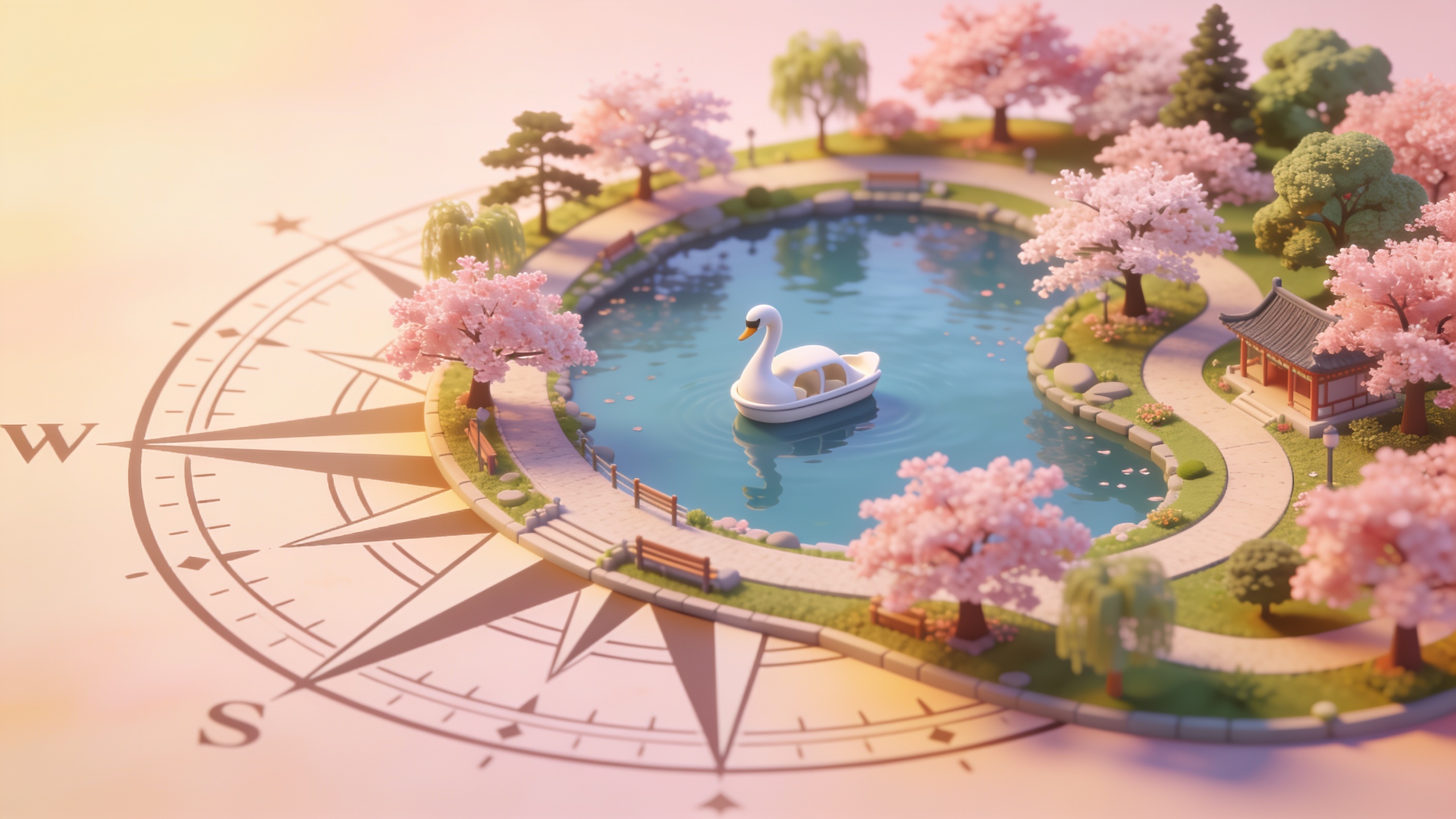
The pond is the park’s centerpiece, and renting a boat is a rite of passage. There are three boat types available, and the pricing and experience differ enough that it’s worth knowing before you get in line.
| Boat Type | Approximate Price (30 min) | Best For |
|---|---|---|
| Rowboat | 700 to 800 yen | Couples, quiet paddling, photos |
| Swan-shaped pedal boat | 800 to 900 yen | Groups, families with kids |
| Cycle boat | 700 to 800 yen | Faster pace, active paddlers |
There’s a local superstition that couples who ride the swan boats together will break up, supposedly because Benzaiten, the shrine’s resident goddess, gets jealous of romantic happiness on her water. I don’t put much stock in shrine curses, but I’ve heard enough Tokyoites repeat this one seriously that it’s worth mentioning if you’re on a date and your partner suddenly refuses to board.
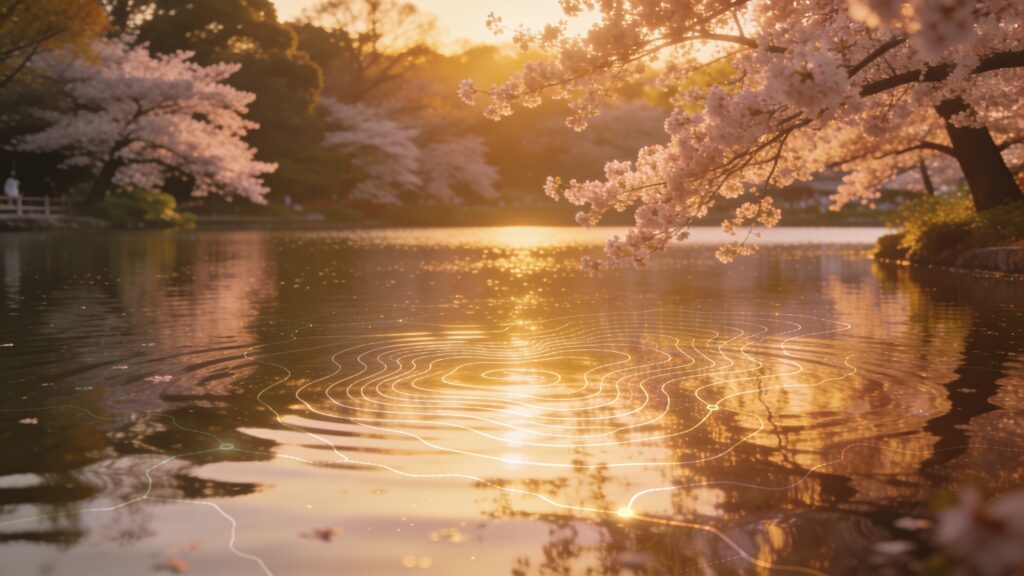
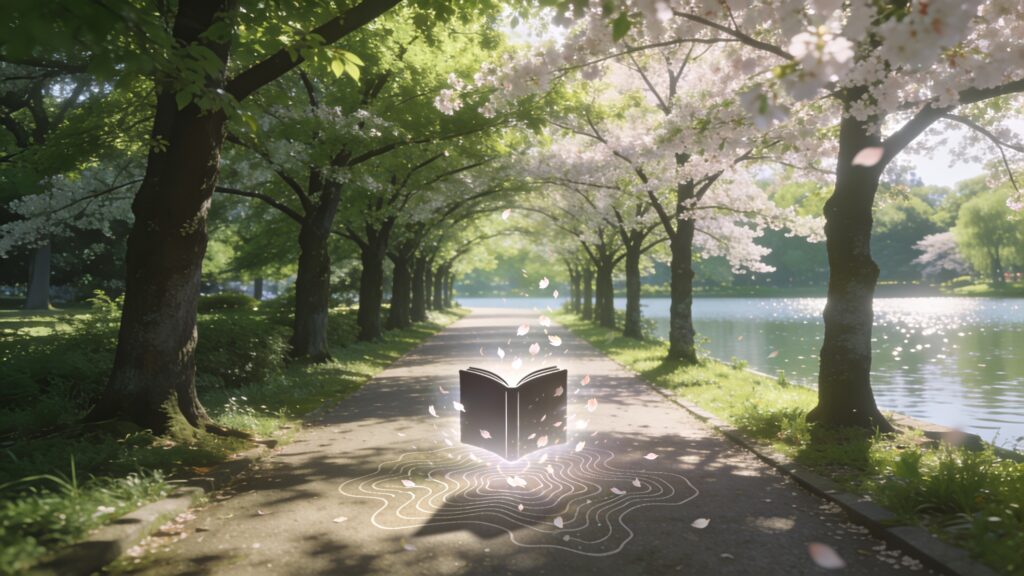
For photos, the northeast side of the pond near the bridge gives you the classic reflection shot of the surrounding trees, especially striking during cherry blossom season or when the fall foliage peaks in late November.
Seasonal Highlights
Inokashira Park changes character dramatically across the year, and timing your visit around the right season makes a real difference.
Cherry blossom season (typically late March into early April) draws the biggest crowds. Around 500 cherry trees line the pond, and the park becomes one of Tokyo’s most popular hanami spots outside the city center. Arrive early on weekdays if you want space to actually sit and enjoy it, because weekends get packed shoulder to shoulder.
Summer brings dense green shade, which makes the forest paths genuinely pleasant even when Tokyo’s heat gets brutal elsewhere. The pond area stays busy with boat rentals and street performers.
Autumn turns the park gold and red by mid to late November. It’s quieter than cherry blossom season but arguably more photogenic, especially in the early morning light.
Winter thins the crowds out almost completely. The bare trees and still pond give the park a stark, calm beauty that I actually prefer to the crowded spring months.
Beyond the Pond: The Zoo and the Shrine
Inokashira Park Zoo splits into two areas connected by a short walk. The main zoo section has small mammals, birds, and a Japanese garden area, while the separate “Ecology and Aquatic Life” building focuses on species native to the Tama River ecosystem. It’s a modest zoo by international standards, but the ticket price stays low, and it works well as a quick add-on rather than a destination in itself.
Benzaiten Shrine sits on a small island connected by a footbridge on the pond’s western side. It’s easy to miss if you’re focused on the water, but the shrine building itself, with its red paint and carved details, offers one of the more photogenic quiet corners of the park. Locals still come here to pray for success in music and the arts, a tradition tied directly to Benzaiten’s role as patron goddess of those pursuits.
Practical Tips for Your Visit
A few things I wish someone had told me on my first visit:
- The park has minimal signage in English, so downloading an offline map before you arrive helps you find the zoo entrance and shrine without backtracking.
- Street performers cluster near the pond on weekends, and the quality ranges from impressively skilled musicians to earnest amateurs, so treat it as a bonus rather than a guaranteed show.
- Food carts and nearby Kichijoji restaurants make picnicking easy. Grab something from the Sun Road arcade before you walk in.
- Public restrooms are scattered around the park but can have lines during peak season, so plan accordingly.
Final Thoughts
Inokashira Park earns its reputation as Kichijoji’s green escape because it manages to feel wild and relaxed just steps from a major train station. Whether you’re chasing cherry blossoms, renting a boat, or just wandering the forest paths with no plan at all, the park rewards a slower pace and a bit of curiosity about its corners.
Go early if you want quiet, go on a weekend if you want energy and street performances, and always leave time to sit by the pond and do absolutely nothing for twenty minutes. That’s the real Inokashira Park experience.