Tokyo Shopping: Why Kichijoji Beats Shibuya Culture
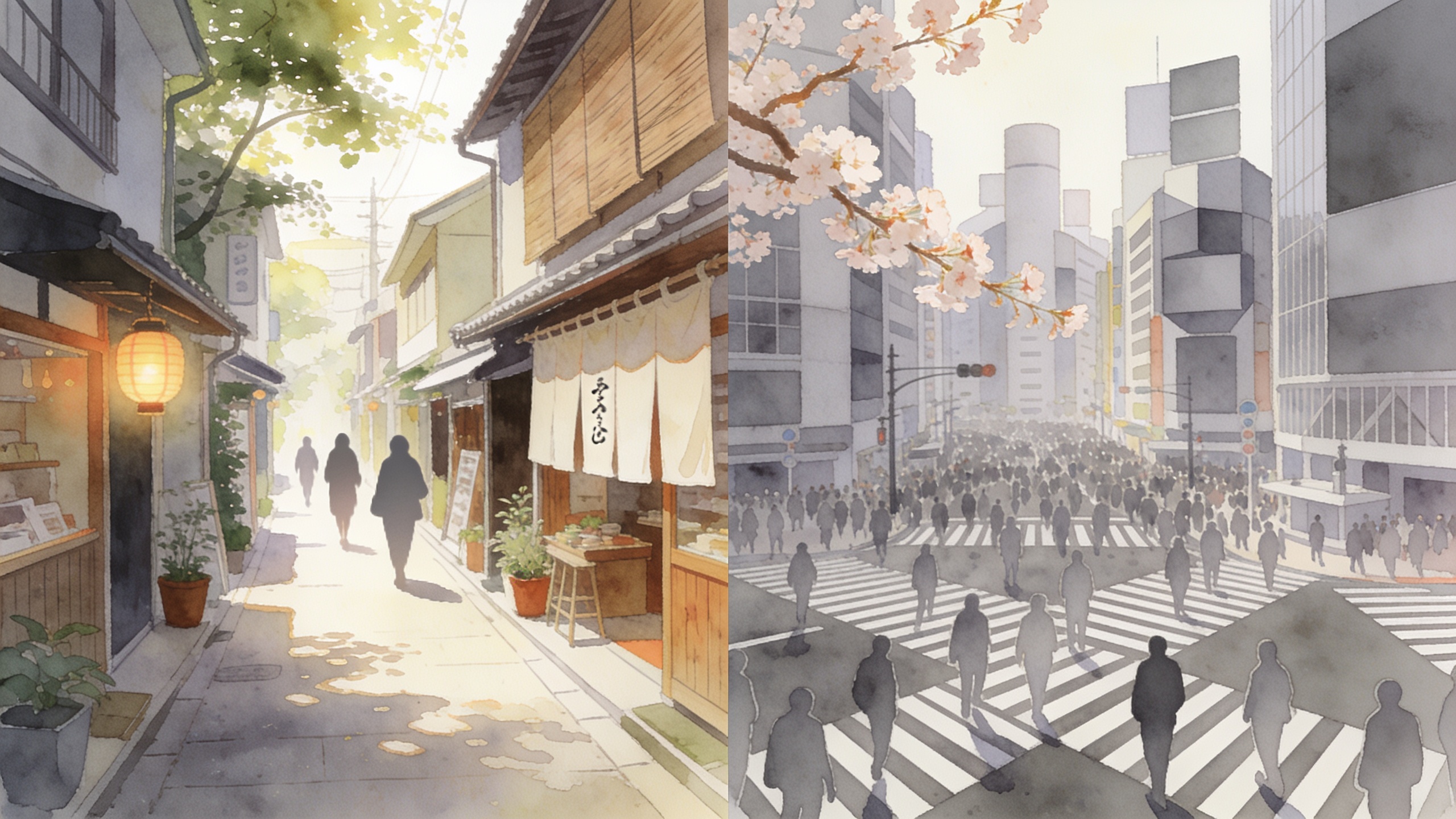
Shibuya gets the Instagram posts. Kichijoji gets the locals. That gap tells you everything you need to know about where to actually spend your money and your afternoon in Tokyo.
I’ve spent years exploring both neighborhoods, and I’ll say it plainly: if you want shopping that rewards curiosity, rewards patience, and gives you something worth carrying home, Kichijoji is the better destination. Shibuya has scale. Kichijoji has soul.
The Core Difference: Experience vs. Volume
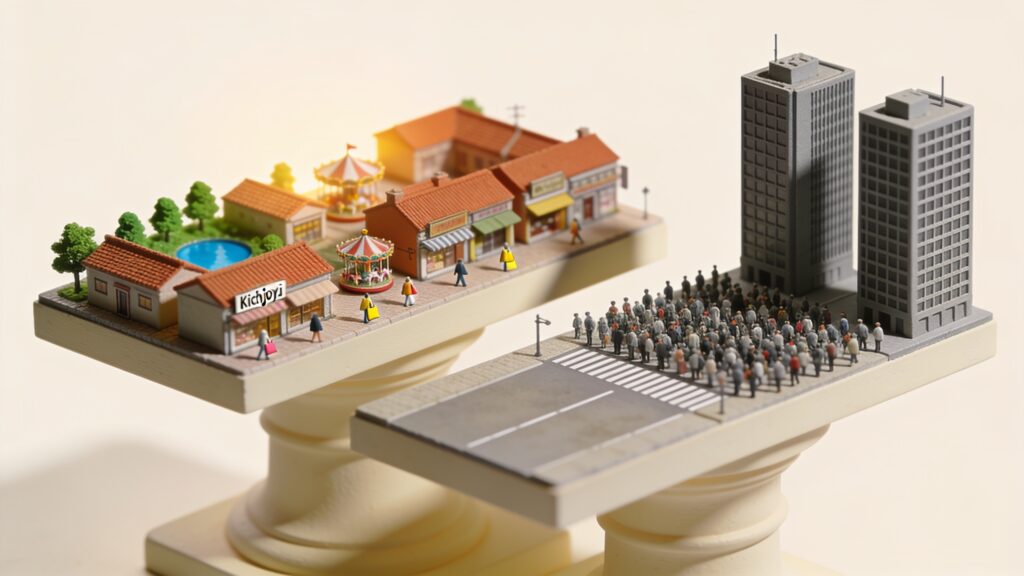
Shibuya’s shopping model is built on throughput. Shibuya 109, Hikarie, Parco, the endless chains along Center-gai, they all assume you want options measured in thousands of SKUs and brands you already recognize from back home. That model works for some people. It works especially well if you want to tick a box that says “shopped in Tokyo.”
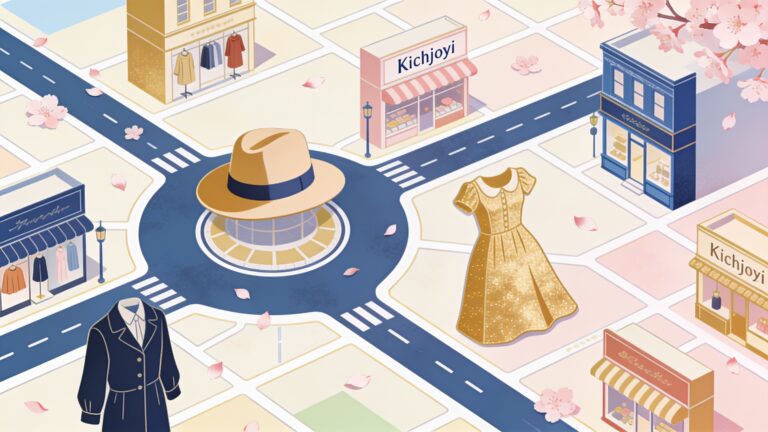
Kichijoji operates on a different logic entirely. The neighborhood is dense with specialty shops, secondhand stores, independent labels, and the kind of craft-focused retailers that exist because their owners are obsessed with a specific category. You walk in knowing roughly what you want and walk out having learned something about it.
What Kichijoji Actually Has
Vintage and Secondhand That Earns Its Price
The stretch of streets south of Kichijoji Station, particularly around Harmonica Yokocho and spreading into the Sun Road arcade’s side streets, holds some of the best vintage shopping in Tokyo. Stores like New York Joe Exchange and a rotating cast of smaller players carry curated secondhand clothing at prices that reflect actual condition and rarity.
Shibuya’s vintage options tend toward the theatrical end. Lots of Y2K nostalgia pieces priced for tourists who want a statement buy. Kichijoji’s secondhand scene is calmer and more edited. You find a 1970s Levi’s denim jacket priced at 6,800 yen in fair condition, and it’s fair. The math makes sense.
Independent Bookshops and Record Stores
Kichijoji has Book & Sons. It has Mobius. It has a handful of small record shops tucked into the alleys near the station’s north exit that stock jazz and city pop on vinyl at prices you’d expect to pay if you knew where to look.
Shibuya has Tower Records, which is impressive in its own right, but Tower is a chain experience. The pleasure of a Kichijoji record shop is that the owner pulled those records from somewhere specific and priced them based on real knowledge. You’re buying from a collector, not a retail system.
Craft Goods and Japanese Everyday Objects
This is where Kichijoji consistently outclasses its competition. The neighborhood has a concentration of shops selling well-made everyday Japanese objects: ceramics, textiles, kitchenware, stationery, handmade leather goods. These shops exist at price points well below the tourist-facing craft galleries in Asakusa but with quality that matches or exceeds them.
Head-to-Head Comparison
| Category | Kichijoji | Shibuya |
|---|---|---|
| Vintage clothing | Curated, fairly priced | Tourist-facing, theatrical |
| Independent bookshops | Multiple, neighborhood-scale | Limited |
| Japanese craft goods | Strong, accessible pricing | Scattered, often premium |
| Record stores | Specialist, collector-run | Chain-dominant |
| International brands | Limited selection | Extensive |
| Crowd density | Comfortable on weekdays | Dense most days |
| Local character | High | Moderate to low |
The table makes it obvious. If your goal is international brands and the security of familiar retail, Shibuya wins. If your goal is finding things that are specific to Japan, specific to Tokyo, and specific to a neighborhood with a distinct identity, Kichijoji is the destination.
The Inokashira Park Effect
Here’s something Shibuya simply cannot offer: a shopping day that involves walking through one of Tokyo’s best urban parks.
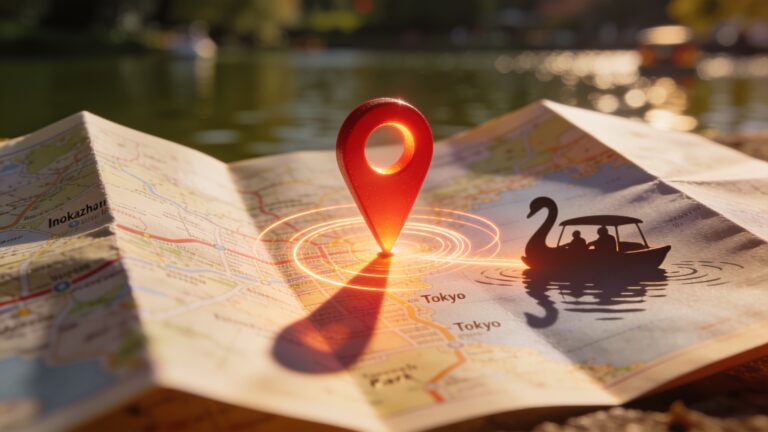
Inokashira Park sits a short walk from Kichijoji Station’s south exit. On weekends, the park’s paths and the streets immediately around it fill with artisan market stalls. Jewelry makers, textile artists, ceramicists, and illustrators set up tables and sell work directly. Prices reflect the maker’s costs, not a retail markup chain.
This market is weather-dependent and irregular, so checking current schedules before you go is worth the effort. But on a clear Saturday morning in spring or autumn, the combination of the park, the market, and the shops on the surrounding streets makes for a shopping day that feels like a genuine local experience.
Practical Tips for Shopping in Kichijoji
Before you go, a few things worth knowing:
- Sun Road arcade is covered and accessible in rain, but the side streets south of it are where the interesting independent shops cluster.
- Most smaller shops in Kichijoji accept IC cards and major credit cards now, though a few cash-only stores remain, so carry at least 5,000 yen in cash.
- Weekday mornings between 10am and noon are the calmest shopping window. Weekend afternoons bring crowds that make the narrow alleys near Harmonica Yokocho uncomfortable.
- The secondhand shops restock frequently. A shop that had nothing interesting last month may have excellent stock today. Regular visits reward you.
- Budget more time than you think you need. Kichijoji’s layout is easy to navigate, but the shops are the kind you linger in.
The Honest Case Against Shibuya for Serious Shoppers
Shibuya is optimized for efficiency and spectacle. The scramble crossing, the towering screens, the vertical malls, it’s designed to impress fast and sell faster. That’s a legitimate retail model, and Shibuya executes it well.
The problem is that efficiency and discovery pull in opposite directions. The best shopping experiences I’ve had in Tokyo came from unexpected conversations with shop owners, from finding a ceramics studio I’d walked past three times before finally going inside, from spending forty minutes with a record dealer who wanted to explain why a specific pressing mattered. That texture lives in Kichijoji. Shibuya’s retail environment is too loud and too transactional to hold it.
Key Takeaways
Kichijoji rewards the shopper who wants to engage, learn, and find things that are specific and well-made. Shibuya rewards the shopper who wants maximum options with minimum friction.
If you’re visiting Tokyo and you have one afternoon to dedicate to shopping that reflects what makes Japanese retail culture worth traveling for, spend it in Kichijoji. Walk from the station south toward the park. Take your time in the side streets. Talk to the people behind the counters.
You’ll leave with things you actually wanted to find, at prices that respect your intelligence, in a neighborhood that has clearly thought carefully about what it wants to be. That’s the case for Kichijoji, and in my experience, it closes itself.