Kichijoji Shopping Guide: Vintage Shops & Trendy Boutiques
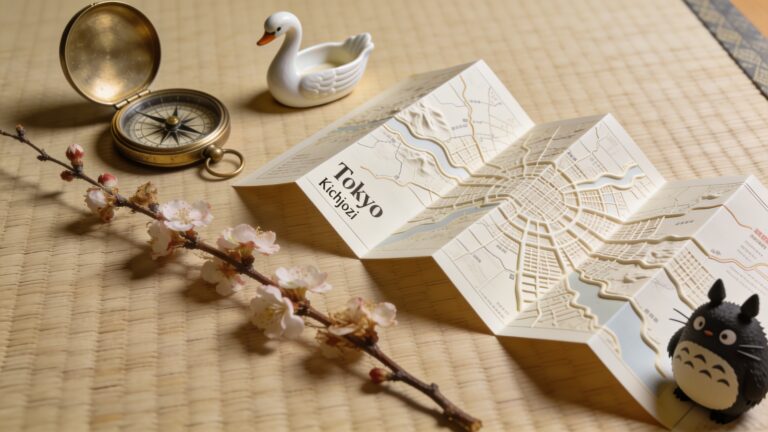
Kichijoji has a reputation that precedes it. Year after year, Tokyo residents vote it one of the most desirable neighborhoods to live in, and the shopping is a big reason why. The streets around the station pack in an unusual mix of quality vintage dealers, independent designers, and well-curated boutiques, all within comfortable walking distance of each other. If you want a single neighborhood in Tokyo that rewards slow, exploratory shopping rather than quick errand-running, this is it.
Why Kichijoji Works So Well for Shopping
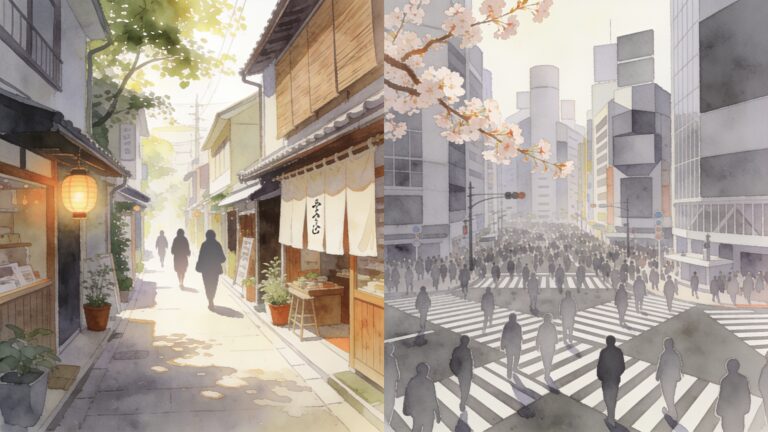
The neighborhood’s layout helps. Sun Road and the covered Daiya arcade handle the fast, practical stuff. Step off those main corridors and you hit the real gold, the narrow lanes of Harmonica Yokocho and the quieter blocks stretching toward Inokashira Park. That contrast, busy commercial arcade on one side, tucked-away independent stores on the other, is what gives Kichijoji its character.
Rent in Kichijoji sits below Shibuya or Shimokitazawa levels, which means smaller shop owners can afford floor space without charging absurd mark-ups. You feel that in the prices. A well-selected vintage denim jacket here will cost less than the same piece in Daikanyama, and the shop staff tend to know their stock deeply rather than just knowing how to run a register.
The Vintage Scene
Where to Start
Kichijoji concentrates most of its best vintage stores in two zones. The first is the cluster of streets immediately north of the station, around the Harmonica Yokocho area. The second runs south toward Inokashira Park, particularly along Nakamichi-dori. Give yourself a full morning for the north side alone.
Key vintage categories you’ll find in Kichijoji:
- American workwear and denim from the 1960s through 1980s
- Vintage military surplus, particularly US Army field jackets and Japanese Self-Defense Force pieces
- 1990s Japanese streetwear, including archive Bape, Stussy Japan, and Neighborhood
- European casual and knitwear from the 1970s and 1980s
- Vintage accessories, bags, and deadstock sneakers
Specific Stores Worth Seeking Out
Flamingo is a name that comes up constantly, and the praise is earned. The Kichijoji branch stocks a wide range but keeps quality control tight. Prices run from budget-friendly to mid-range, and the rotation is fast enough that returning shoppers always find something fresh.
Jumble Store, a few minutes’ walk from the station, leans heavier into menswear with a focus on American vintage. The owner has a clear point of view about what belongs on the floor. That editorial selectivity matters more than sheer volume.
For higher-end archive Japanese streetwear, the smaller dealer spaces above ground-floor level are worth the climb. These spots rarely advertise loudly. Look for handwritten signage and steep staircases. The best ones reward browsers who slow down.
Trendy Boutiques and Independent Designers
The Boutique Corridor
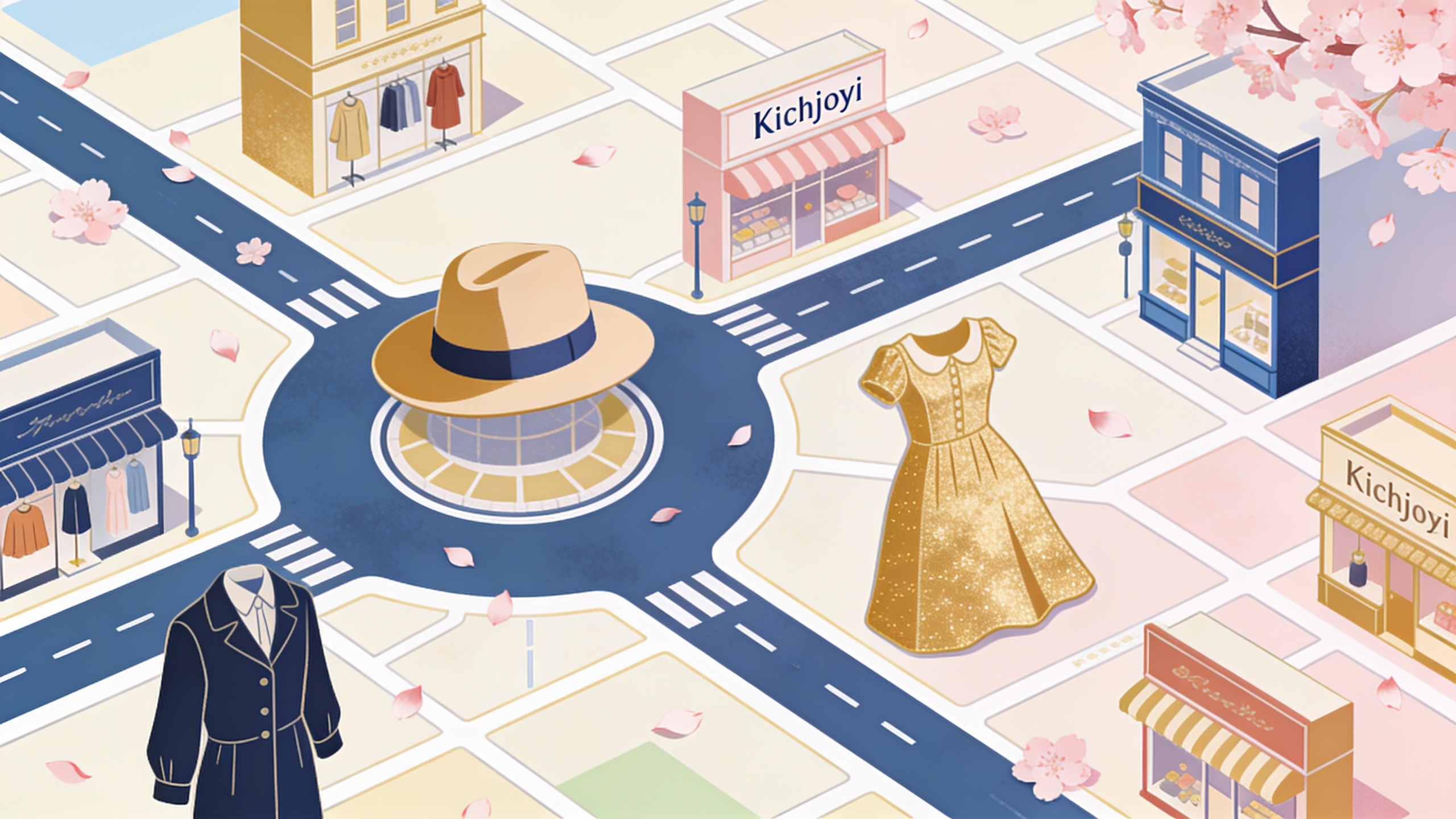
Kichijoji has a growing cluster of independently owned boutiques that stock a mix of Japanese designers and carefully chosen international brands. These stores sit mostly along the streets between the Sun Road exit and Nakamichi-dori. The common thread is curation: each shop carries a limited selection chosen by the owner rather than a broad catalogue chosen by a buying team.
Outbound is one of the standouts. It stocks lifestyle goods alongside clothing, and the aesthetic leans toward natural materials, earth tones, and Japanese craft. It appeals to shoppers who want considered pieces rather than trend-driven fast buys.
For women’s fashion with a stronger design edge, the boutiques near the south exit toward the park tend toward Tokyo’s quieter, more considered style codes: loose silhouettes, quality fabric, and low-key branding. These stores suit shoppers who find Harajuku overwhelming but want more personality than department store brands offer.
A Quick Comparison
| Store Type | Price Range | Best For |
|---|---|---|
| Vintage dealers (high volume) | Budget to mid-range | Bargain hunting, daily rotation |
| Curated vintage specialists | Mid-range to premium | Archive pieces, specific eras |
| Independent boutiques | Mid-range to premium | Contemporary Japanese design |
| Lifestyle concept stores | Mid-range to premium | Gifts, homewares, accessories |
Practical Shopping Tips
Tokyo’s shopping districts reward preparation. A few things will make your Kichijoji day more productive.
Cash still matters here. Several of the smaller vintage dealers and boutiques run cash-only or have a minimum spend for cards. Withdrawing from a convenience store ATM before you start browsing is a straightforward habit to build.
Arrive early on weekdays if you want the best stock. Popular vintage stores often get hit hard on weekends, and the first batch of new arrivals during the week sits fresher. Saturday afternoon is the busiest window, which means more social energy but more competition for the good pieces.
Bag storage helps if you’re buying multiple stops’ worth of items. The coin lockers at Kichijoji Station are convenient and free up your hands for proper browsing.
The staff in most boutiques here speak enough English to complete a sale and answer basic questions. In the vintage stores, pointing and phone translation apps handle anything more complex without friction.
How to Structure Your Day
Start at the north side vintage cluster in the morning, work through to Harmonica Yokocho at lunch, then cross toward Inokashira Park in the afternoon for the boutique strip. The park itself gives you a good reset point mid-afternoon before a final sweep of any stores you missed.
Budget two to three hours minimum for the vintage stores alone if you’re a serious browser. Boutiques move faster, maybe an hour for the main stretch, but the good ones hold you longer than expected.
Key Takeaways
Kichijoji rewards shoppers who show up with time rather than a rigid checklist. The vintage scene is deep, affordable relative to central Tokyo, and genuinely varied across eras and categories. The boutique scene suits buyers who value design restraint and want to leave with something that will last a few seasons rather than a few weeks.
Plan for a full day, bring cash, go early in the week if the schedule allows, and treat the wandering as part of the experience. The best finds in Kichijoji come to people who turn the corner without knowing exactly what they’re looking for.