Inokashira Park Guide: Kichijoji’s Green Oasis Escape
I’ve spent more Sunday mornings than I can count walking the loop around Inokashira Pond, coffee in hand, watching the city wake up slowly around me. If you live in or near Kichijoji, this park is probably already part of your mental map. If you’re visiting, it deserves a spot at the top of your list, above the shopping streets, above the ramen queues, above almost everything else in the neighborhood.
Inokashira Park is 108 acres of forest, pond, and open lawn tucked between Kichijoji and Mitaka stations. It opened in 1917 as one of Japan’s first suburban parks, and over a century later it still functions exactly as intended: a place where Tokyo residents come to breathe, think, and slow down. What makes it special isn’t just the greenery. It’s the mix of nature, culture, and everyday life happening side by side.
Getting There and Getting Oriented
The park sits a five-minute walk south of Kichijoji Station’s south exit. You can also reach it from Mitaka Station on the JR Chuo Line, about a 15-minute walk through a quieter residential stretch. I usually recommend the Kichijoji approach for first-timers, since you’ll pass through the covered shopping arcades on your way and get a feel for the neighborhood’s energy before the park slows you down.
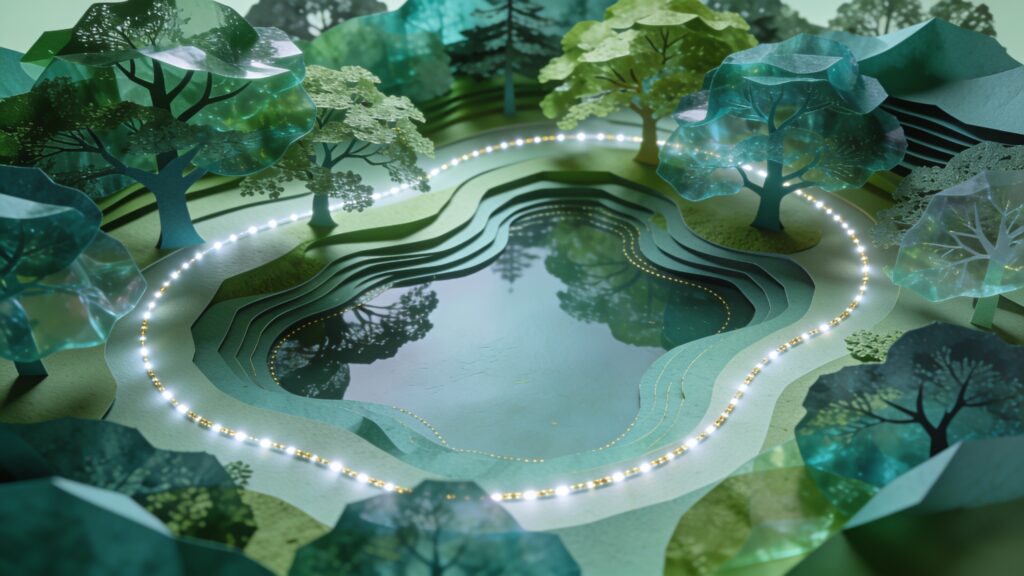
Once you’re inside, orient yourself around the pond. It’s the park’s spine, and nearly everything worth seeing sits along or near its edges. The paved path circling the water is flat, shaded, and easy to walk in under 30 minutes if you’re not stopping. You will stop, though. There’s too much happening along the way.
Best Times to Visit
Weekday mornings are my favorite. The paths are close to empty, the light through the trees is soft, and you’ll hear more birdsong than traffic. Weekends bring street performers, families, and a genuine buzz, which has its own appeal if you want atmosphere over solitude.
Cherry blossom season, typically late March into early April, transforms the park into one of Tokyo’s most photographed hanami spots. Expect crowds, expect blue tarps on the grass, and expect it to be worth the hassle anyway. Autumn, from mid-November through early December, is quieter and just as visually rewarding, with the pond reflecting orange and red foliage.
What to See and Do
Inokashira Pond and the Boats
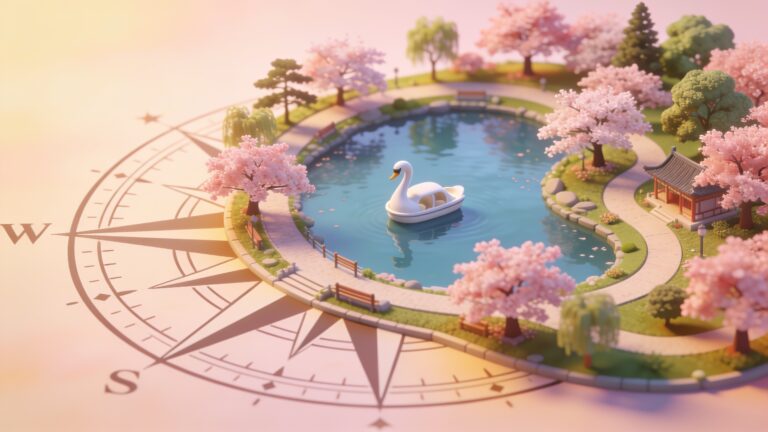
The pond itself is the park’s centerpiece, fed by natural springs that have shrunk over the decades but still keep the water moving. Rowboats and swan-shaped pedal boats are available for rent near the Kichijoji-side entrance, and the local superstition claims that couples who ride together will eventually break up. I can’t confirm this scientifically, but it hasn’t stopped anyone from lining up on weekends.
Renting a boat costs around 700 to 800 yen for 30 minutes, and it’s genuinely one of the better ways to see the park from a different angle. The water stays calm, the surrounding trees form a near-complete canopy in summer, and you get a break from walking that most visitors overlook entirely.
Inokashira Park Zoo
On the eastern side of the park, this small zoo has operated since 1942 and focuses on animals native to Japan alongside a scattering of exotics. It’s split into two sections, the main zoo and the aquatic life park, connected by a short walk through the park itself. Admission runs about 400 yen for adults, which is close to nothing by Tokyo standards.
I wouldn’t call it a full-day destination on its own, but paired with a park walk it’s a solid two hours. Kids love the squirrel enclosure where you can walk among them in a netted area. Adults tend to linger at the small museum documenting the zoo’s history and its role in Tokyo’s postwar reconstruction.
The Ghibli Museum
Just south of the park’s main entrance sits the Ghibli Museum, Hayao Miyazaki’s tribute to the animation studio that made films like “My Neighbor Totoro” and “Spirited Away.” Tickets sell out fast and must be booked in advance through the official system, often a month or more ahead for popular dates.
If you’re a fan, this alone justifies the trip to Kichijoji. If you’re not particularly into anime, I’d still say it’s worth an hour of your time for the building’s design, which feels like walking through a whimsical dream rather than a conventional museum.
Street Performers and Craft Markets
On weekends, the bridge area near the pond’s south side fills with musicians, jewelry makers, and artists selling handmade goods spread across blankets and folding tables. This isn’t a formal market with vendor stalls. It’s closer to a loosely organized gathering that shifts week to week depending on who shows up.
I’ve bought hand-stamped leather wallets and watercolor postcards here for less than I’d pay at any shop in the arcade. If you want a genuine souvenir from Kichijoji, skip the gift shops and browse the bridge instead.
Practical Information at a Glance
| Feature | Details |
|---|---|
| Main entrance | 5-min walk from Kichijoji Station south exit |
| Alternative entrance | 15-min walk from Mitaka Station |
| Park hours | Open 24 hours, though attractions close in the evening |
| Boat rental | 700 to 800 yen per 30 minutes |
| Zoo admission | Around 400 yen for adults |
| Best months | Late March to early April, mid-November to early December |
| Ghibli Museum | Advance booking required, tickets sell out early |
A Few Tips From Experience
- Bring cash. Boat rentals, zoo admission, and most food carts inside the park do not accept cards.
- Pack a blanket if you plan to sit on the grass during cherry blossom season, since the good spots fill up by mid-morning.
- Visit the zoo before noon, since school groups often arrive in the early afternoon.
- Check the Ghibli Museum’s ticket release schedule at least a month before your visit if that’s a priority.
- Wear comfortable shoes. The paths are flat, but a full loop plus zoo plus museum adds up to several miles of walking.
Final Thoughts
Inokashira Park works because it doesn’t try too hard. It’s not overdesigned or overly curated. It’s a forest with a pond in the middle of a busy city, and that simplicity is exactly why it’s stayed relevant for over a hundred years.
Give yourself at least half a day here. Combine the park walk with the zoo or the Ghibli Museum, grab something from a food cart, and end with a boat ride if the weather cooperates. Kichijoji has plenty to offer beyond its shopping streets, and this park is the clearest proof of that.