Tokyo Travel: The Complete Kichijoji Neighborhood Guide
Kichijoji sits about 30 minutes west of Shinjuku on the Chuo Line, and it consistently tops polls as the neighborhood Tokyoites most want to live in. That reputation is earned. The area packs world-class jazz bars, a sprawling park, vintage clothing markets, and some of the best street food in the city into a walkable radius. If you only have one day outside the tourist circuit, spend it here.
Why Kichijoji Works So Well
Most Tokyo neighborhoods specialize. Akihabara does electronics. Shimokitazawa does vintage and live music. Kichijoji does everything, and it does it without feeling scattered or overbuilt.
The key is the layout. Harmonica Yokocho, the sundown-drinking alley, sits minutes from Inokashira Park, which is one of the most beautiful green spaces in the greater Tokyo area. Sun Road shopping arcade feeds directly into independent boutiques on the backstreets. The density is high but the pace stays relaxed. That combination is rare in a city this size.
Getting There
The Chuo and Sobu Lines both stop at Kichijoji Station. From Shinjuku, the Chuo Line express takes about 15 minutes. From Shibuya, take the Inokashira Line to Kichijoji Station directly, around 30 minutes.
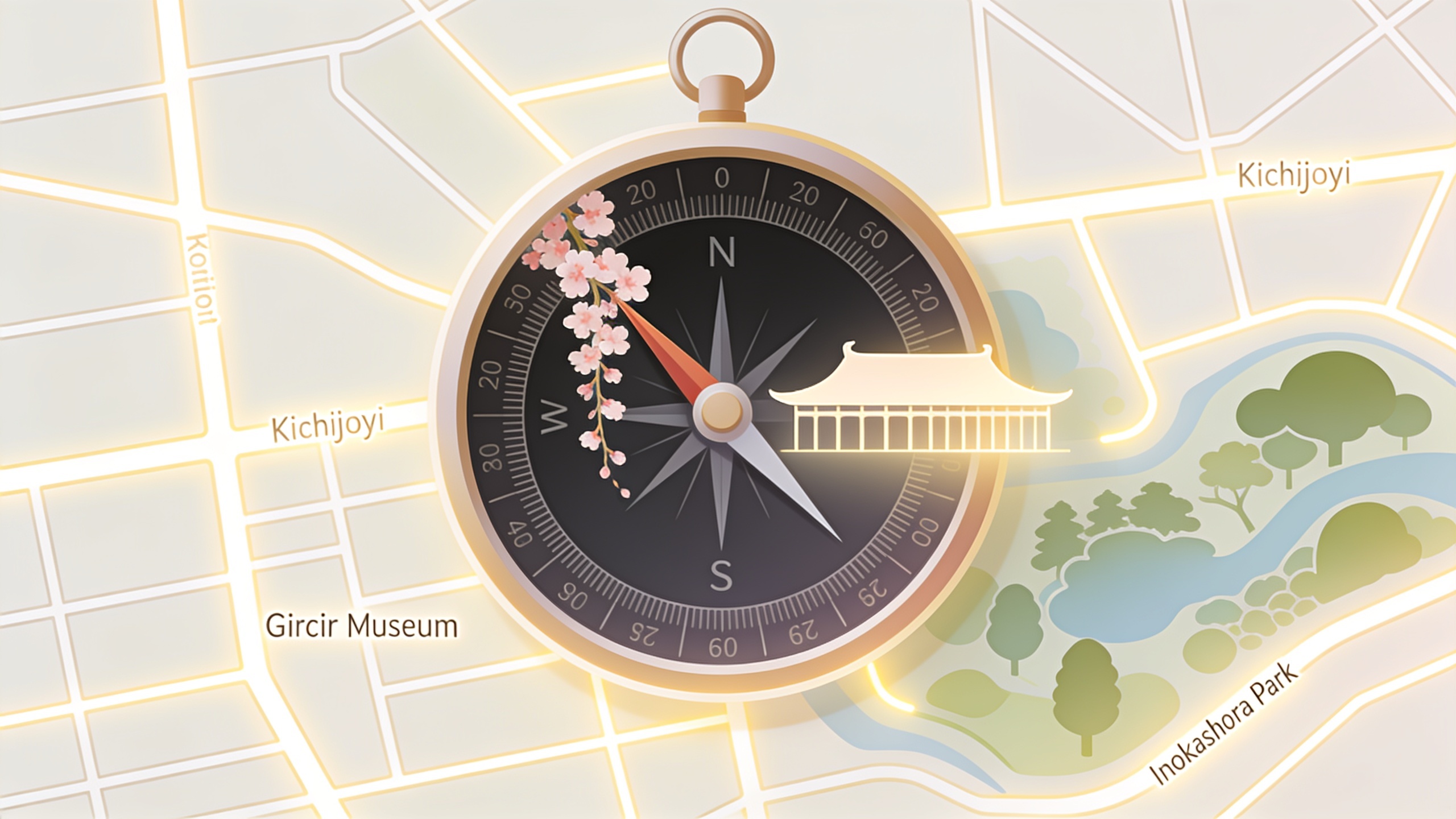
The station has a north exit and a south exit. Use the north exit for the shopping arcades and Harmonica Yokocho. Use the south exit for Inokashira Park. Taxis and buses exist, but you will cover most of the neighborhood on foot once you arrive.
Inokashira Park
Start here if you arrive in the morning. The park wraps around Inokashira Pond and the walk around the perimeter takes about 20 minutes at an easy pace. Paddle boats are available on the pond, and the surrounding trees make this one of the best hanami spots in Tokyo during cherry blossom season in late March and early April.
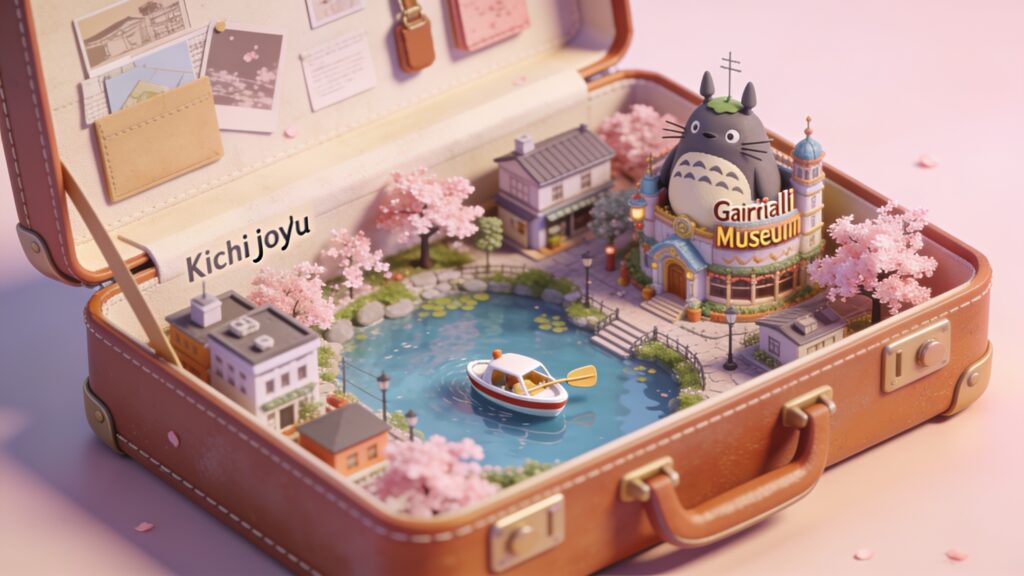
The park also holds a small zoo on its western edge, Inokashira Natural Cultural Park, which is worth an hour if you are traveling with children. The Studio Ghibli Museum sits just outside the park’s west entrance in Mitaka, and it requires advance ticket booking through the museum’s official lottery system. Book months ahead if visiting Ghibli is a priority.
Shopping in Kichijoji
The shopping here divides into two clear worlds: the commercial arcade zone and the independent street scene.
Sun Road and Daiya Street are covered arcades running north from the station. These carry mainstream Japanese chain stores and work well for picking up basics, souvenirs, or 100-yen shop finds. Yodobashi Camera is nearby for electronics and camera gear at competitive prices.
Walk two or three blocks off the main paths and the character shifts completely. Streets like Nakamichi-dori hold independent record shops, handmade jewelry studios, and vintage clothing stores that draw serious buyers from across Tokyo. Rex and Flamingo are two vintage shops worth finding by wandering rather than mapping.
Key Shopping Areas at a Glance
| Area | Best For | Distance from Station |
|---|---|---|
| Sun Road Arcade | Souvenirs, everyday goods | 2 min walk (north exit) |
| Harmonica Yokocho | Bars, small restaurants | 3 min walk (north exit) |
| Nakamichi-dori | Vintage, independent boutiques | 8 min walk (north exit) |
| Inokashira Park entrance | Craft market stalls (weekends) | 5 min walk (south exit) |
On weekends, artists and craftspeople set up stalls along the paths leading into the park. Handmade accessories, ceramics, and prints dominate. Prices are fair and the quality is high compared to tourist market standards elsewhere in the city.
Eating and Drinking
Kichijoji has a food scene that rewards walking and wandering over planning and booking. That said, a few specific spots are worth knowing.
Satou is the name you will hear repeatedly, and it earns the attention. This butcher on Sun Road sells menchi katsu, a deep-fried ground beef and pork cutlet, fresh from the fryer. The line moves fast. Get two. The price sits around 200 yen per piece and the quality is exceptional for street food anywhere in the world.
Harmonica Yokocho is the must-do drinking experience. The alley is narrow enough that two people sitting at opposing counters could shake hands. It holds around 20 tiny bars and restaurants, each seating maybe eight people. The vibe is convivial and slightly chaotic after 7 p.m. Show up early to grab a spot, order yakitori and beer, and settle in.
A Short List of Food Priorities
- Satou menchi katsu on Sun Road, go at lunch when the line is shorter
- Harmonica Yokocho for yakitori and drinks from sundown onward
- Outbound Coffee for a quality third-wave espresso near the park
- Bazaar Cafe for a relaxed lunch with a community-minded atmosphere
- Iseya, a long-running kushiyaki restaurant near the park entrance, for a proper sit-down meal at reasonable prices
The Jazz Scene
Kichijoji has a long jazz history and a handful of bars keep that tradition alive in a way that feels lived-in rather than curated for tourists.
Sometime is the gold standard. It sits in a basement and has operated for decades. The sound system is serious, the whisky selection is broad, and conversation drops to a murmur when the music plays. Go on a weeknight for a more intimate experience. On weekends it fills up and the energy shifts toward festive.
Other spots like Manda-la 2 host live performances by working jazz musicians. Entry fees vary by performance but usually fall between 1,500 and 3,000 yen.
Best Time to Visit
Spring and autumn are the standout seasons. Cherry blossoms in late March through early April transform Inokashira Park into something worth crossing a time zone to see. Autumn foliage, typically peaking in late November, runs a close second.
Summer works fine but heat and humidity push most activity indoors by early afternoon. Winter is quiet and clear, good for photography and uncrowded streets.
Key Takeaways
Kichijoji rewards slow travel. The point is to walk without a fixed agenda, find a bar in Harmonica Yokocho before you have dinner, and spend longer in the park than you planned. The neighborhood is manageable in a half-day but better across a full one.
Plan your Ghibli Museum visit in advance, arrive at Satou before the lunch rush, and spend at least one evening in Sometime. That framework gives you the best of what this neighborhood does well. The rest you discover by wandering.