
Kichijoji Food Guide: What to Eat in Tokyo
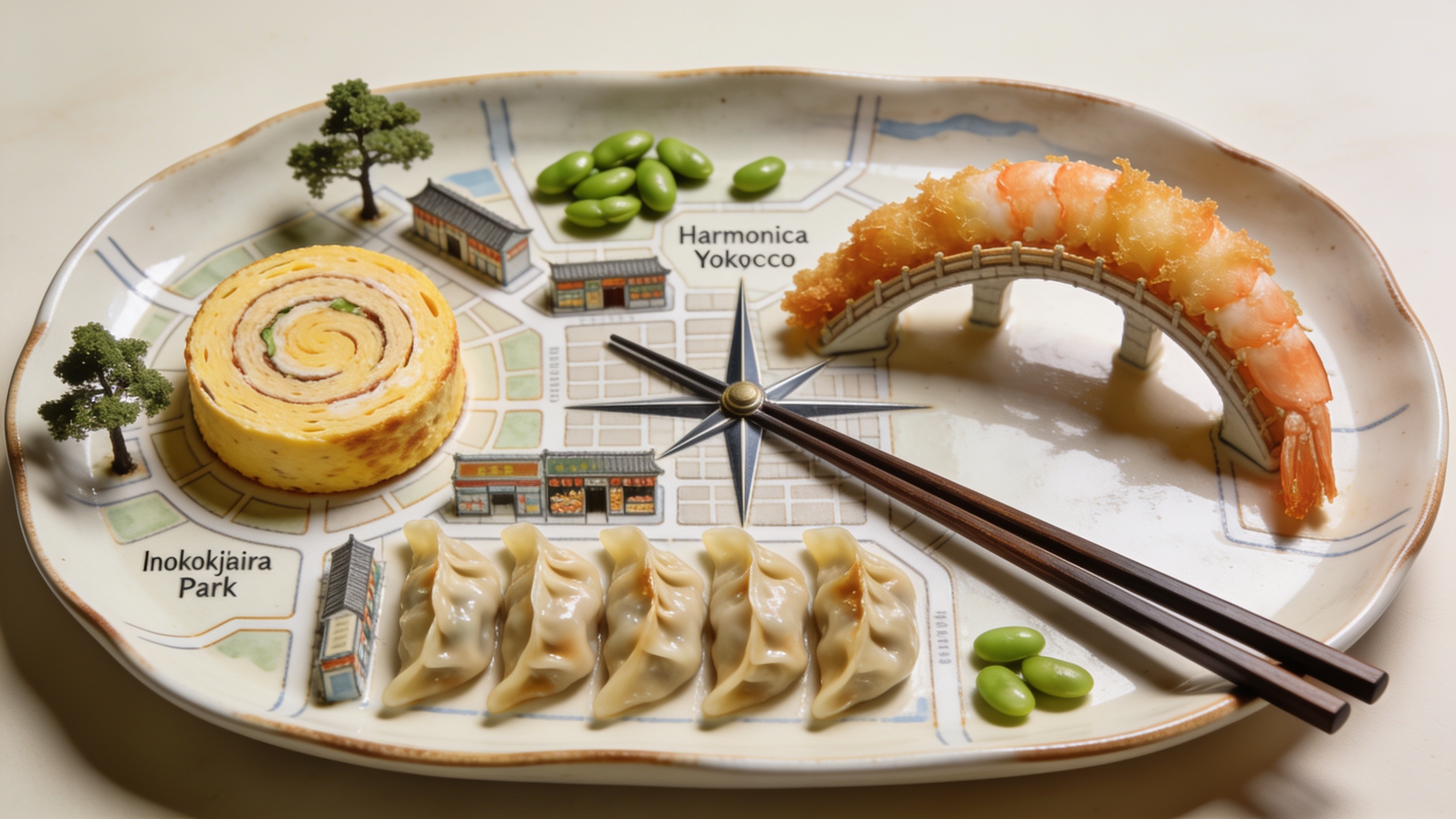
Kichijoji punches well above its weight as a food destination. Tucked in western Tokyo, just 15 minutes from Shinjuku on the Chuo Line, this neighborhood pulls in locals, students, and day-trippers who come for the park, stay for the eating. The food scene here is dense, varied, and affordable in a way that many central Tokyo neighborhoods have stopped being. If you eat well in Kichijoji, you eat well in Tokyo.
This guide covers the dishes you should prioritize, the eating zones worth knowing, and a few practical tips that will save you time and money.
Why Kichijoji Eats Better Than Its Reputation Suggests
Most food guides point tourists toward Shibuya or Shinjuku. That makes sense for convenience, but Kichijoji rewards a short detour. The neighborhood has a high concentration of independent operators, low rents by Tokyo standards, and a customer base of university students and young families who care about quality and price in equal measure. That combination produces a food scene with real character.
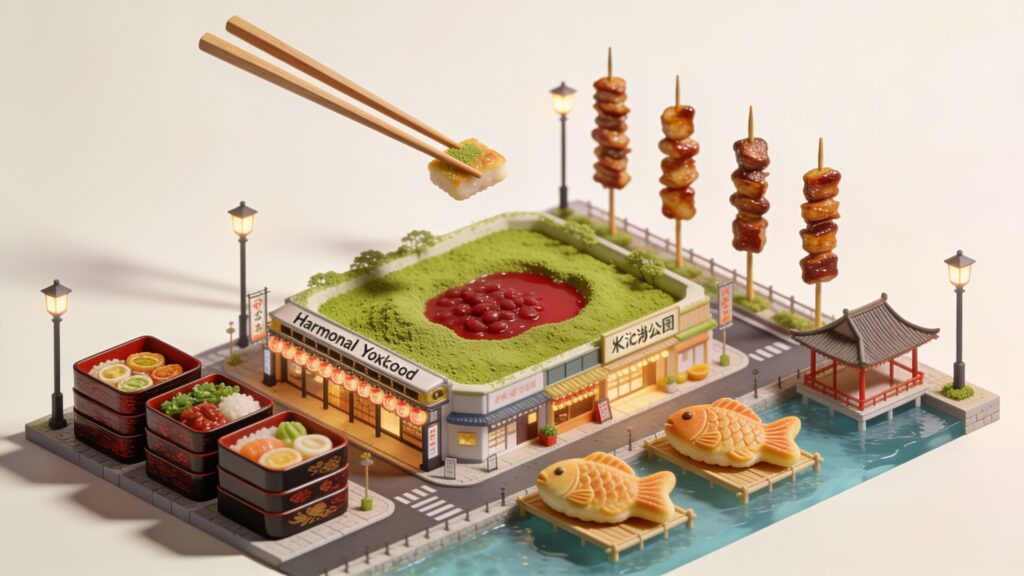
You get everything from yakitori smoke drifting out of Harmonica Yokocho alley to French bistros with serious wine lists. The range is the point.
The Eating Zones You Need to Know
Harmonica Yokocho
This is the first place I send anyone. Harmonica Yokocho is a tight cluster of tiny bars and restaurants wedged into a narrow alley a two-minute walk from the north exit of Kichijoji Station. The stalls fit maybe eight people each. The smell of charcoal and grilled chicken hits you before you even turn the corner.
Come here for yakitori, cold beer, and the specific pleasure of eating with strangers pressed close on either side of you. Most stalls open around 5 PM. Go early if you want a seat without waiting.
Sunroad and the Shopping Arcade
The covered Sunroad arcade and its surrounding streets handle the daytime food traffic. You’ll find ramen shops, curry houses, takoyaki stands, and every possible format of Japanese fast food. This is where I go for a quick lunch at under 1,000 yen. It moves fast and the quality is consistently solid.
Inokashira Park Area
The streets around Inokashira Park attract a different type of restaurant. Slower, more relaxed, with more outdoor seating and more independent cafes. Weekend brunch culture has taken hold here. If you want coffee and toast in the morning before the park fills up, this is the zone.
What to Eat: A Dish-by-Dish Breakdown
| Dish | Best Setting | Typical Price Range |
|---|---|---|
| Yakitori | Harmonica Yokocho stalls | 150 to 250 yen per skewer |
| Ramen | Sunroad-area shops | 900 to 1,200 yen per bowl |
| Menchi katsu | Satou butcher shop | Around 250 yen each |
| Curry rice | Independent curry shops | 1,000 to 1,400 yen |
| Crepes | Street stands near station | 400 to 700 yen |
| Coffee and cake | Park-area cafes | 700 to 1,200 yen |
The One Dish You Must Try: Menchi Katsu from Satou
Satou is a butcher shop on the main shopping street, and the queue outside tells you everything. They sell deep-fried ground meat croquettes, minchi katsu, fresh out of the fryer for a little over 200 yen each. The outside cracks when you bite it, the inside stays juicy. It is one of the best cheap bites in all of Tokyo. I have eaten them at least a dozen times.
The line moves quickly. Buy two. You will want both.
Ramen
Kichijoji has a strong ramen presence. The local preference leans toward shoyu (soy-based) and shio (salt-based) broths rather than the heavier tonkotsu styles more common in western Japan. If you want a rich, clean bowl with careful seasoning, you will find it here. Look for shops with handwritten menus on the walls and a single chef behind the counter. Those tend to outperform the chain outlets by a wide margin.
Yakitori
The yakitori in Harmonica Yokocho is the real thing. Chicken thigh, skin, liver, heart, and cartilage all have their regular spots on the skewer rotation. Order a mix. The tsukune (chicken meatball with egg yolk dip) is the benchmark dish I use to judge any yakitori spot, and Kichijoji’s version holds up well.
Practical Tips for Eating in Kichijoji
A few things worth knowing before you go:
- Cash is still king at most small restaurants and all street stalls. Carry 5,000 to 10,000 yen in small bills.
- Lunch sets (teishoku) at sit-down restaurants offer the best value, usually running 200 to 400 yen cheaper than ordering a la carte at dinner.
- Harmonica Yokocho is standing and shoulder-to-shoulder on Friday and Saturday nights. If you want conversation, go Tuesday or Wednesday.
- Most ramen shops have a ticket vending machine at the entrance. Buy your ticket before you sit down.
- The Satou croquette line peaks between noon and 2 PM. Arrive before 11:30 AM or after 3 PM to skip most of the wait.
When to Go
Any time works, but Kichijoji hits differently on a Saturday morning. The park is active, the cafes are open, and the shopping streets have a relaxed pace before the afternoon crowds arrive. By 2 PM on weekends the area around the station gets congested.
For evening eating, Thursday through Saturday brings the full energy of Harmonica Yokocho. Weeknights are quieter and easier to navigate solo.
Key Takeaways
Kichijoji is one of Tokyo’s most approachable neighborhoods for eating well without spending much. Eat the menchi katsu from Satou, drink in Harmonica Yokocho, and explore the ramen shops near Sunroad at lunch. Give yourself a full day and move between the zones as your hunger dictates.
If you are planning a trip to Tokyo and treating Kichijoji as a half-day detour, reconsider. Build your day around the food here, add a walk through Inokashira Park, and you will leave with a more honest picture of how Tokyo actually eats.